
Blog
Review of Wuthering Heights (2026): A Breathtakingly Beautiful Gothic Love Song

Review of Wuthering Heights (2026): A Breathtakingly Beautiful Gothic Love Song
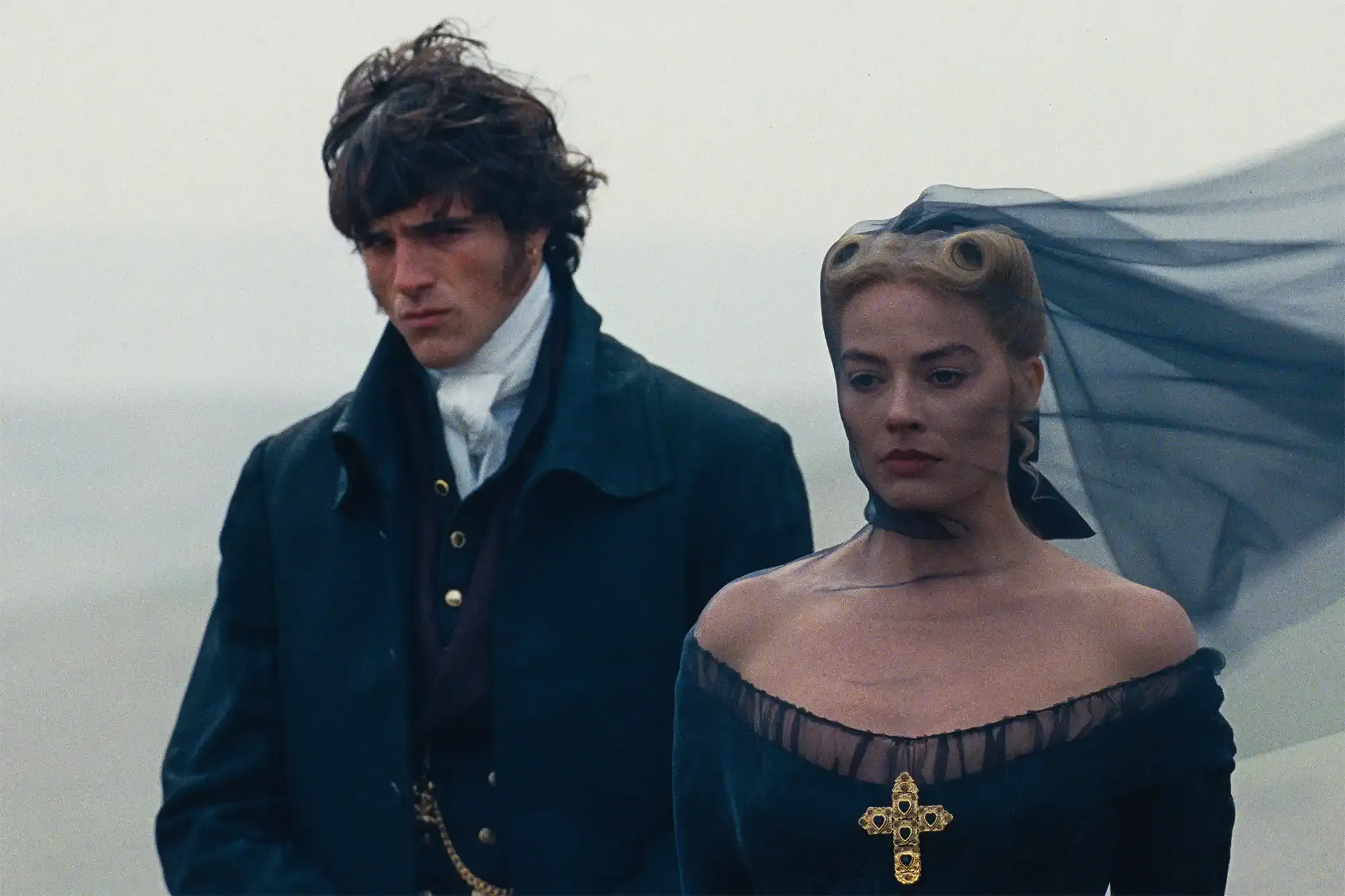
Released near Valentine’s Day, Emerald Fennell’s new version of Wuthering Heights quickly became a hot topic of discussion. Adapted from Emily Brontë’s masterpiece, the film stars Margot Robbie and Jacob Elordi in the lead roles and takes a bold approach to aesthetics and emotion.
Wuthering Heights (2026) is not an entirely faithful adaptation of the original novel, but rather a modern reinterpretation that focuses heavily on visual experience and emotional intensity. The film’s color palette is beautiful, intense, and captivating, yet it may leave lovers of classical literature feeling wistful.
The Plot of Wuthering Heights: When Visuals Overshadow the Script
The story revolves around the fateful relationship between Catherine Earnshaw (Margot Robbie) and Heathcliff (Jacob Elordi) at the Earnshaw family estate on the Yorkshire moors. Heathcliff, an orphan adopted by the Earnshaw family, grows up alongside Catherine in a passionate and untamed bond. As adults, class pressures and social ambition lead Catherine to marry Edgar Linton.
This decision becomes a deep wound in Heathcliff’s heart. His pain transforms into a thirst for revenge, triggering a chain of cruel consequences. Love turns into possessiveness, passion into destruction, leaving scars that affect more than one generation.
This adaptation retells the classic love tragedy in a more modern and raw style.
Gothic Aesthetics and Striking Visual Language
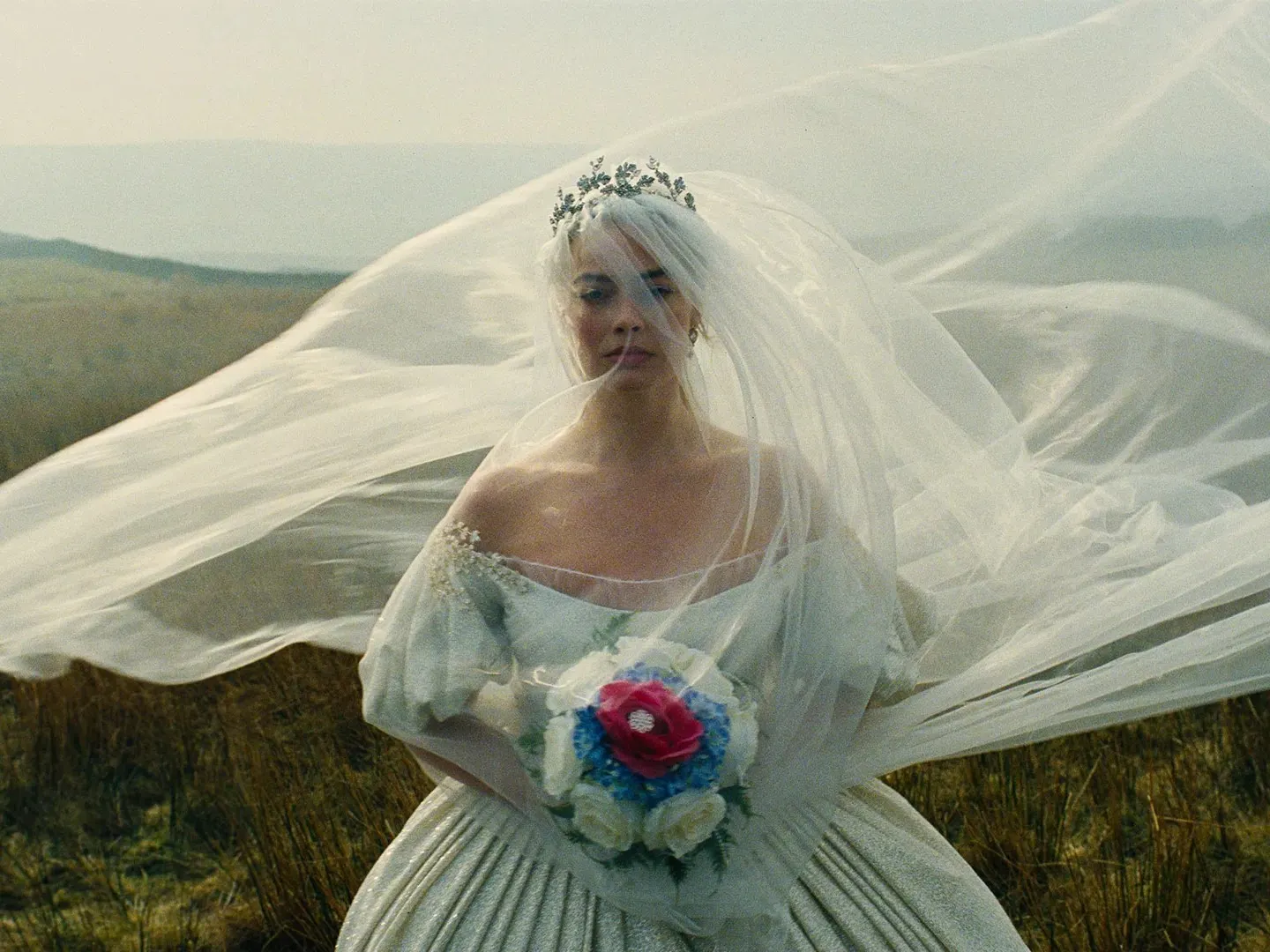
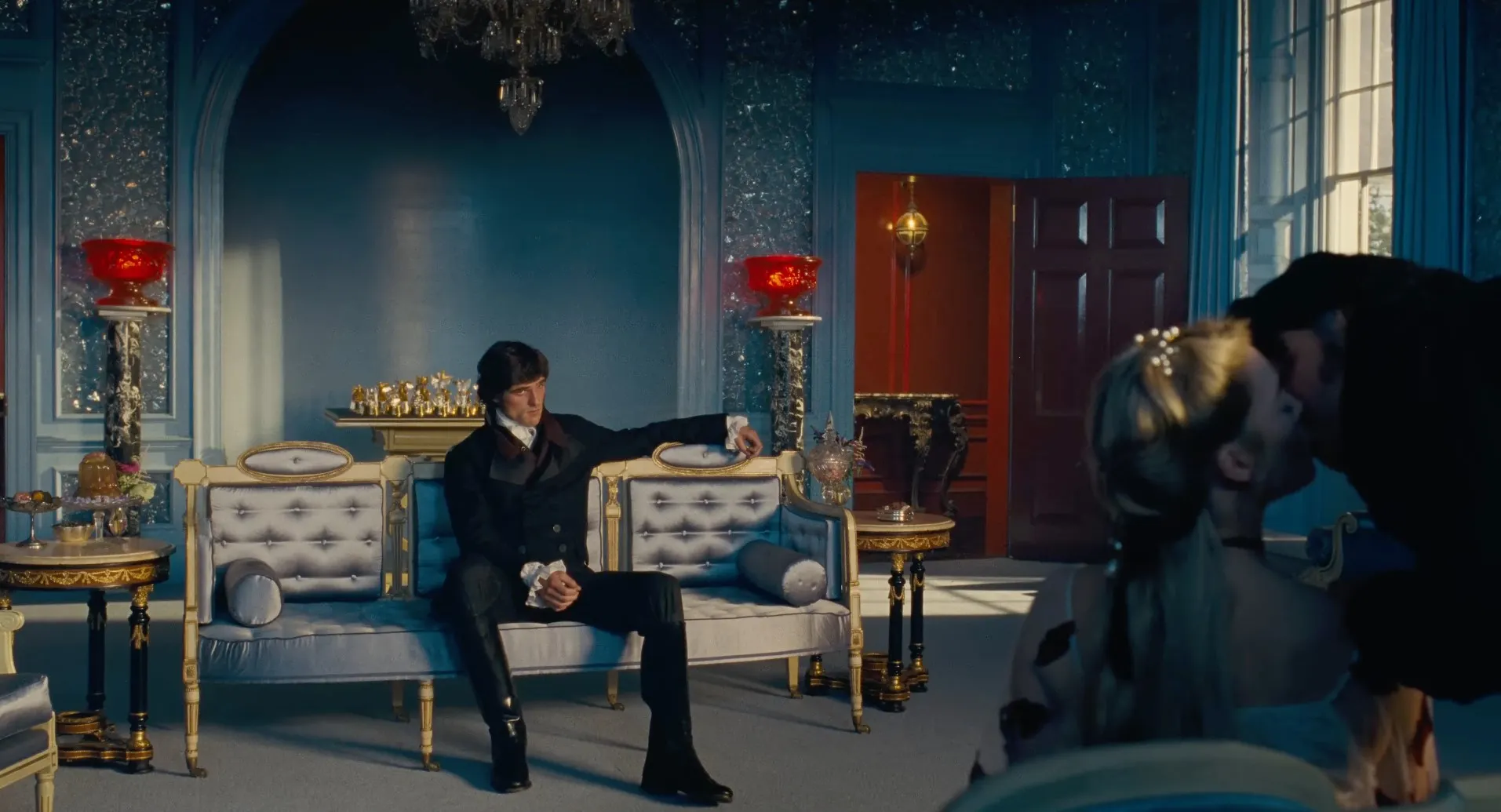
The first thing that captures the audience’s attention is the art direction, deeply rooted in Gothic aesthetics. Director Emerald Fennell constructs a world saturated with darkness and velvet textures. Interiors glow in wine red, charcoal black, and moss green, while flickering candlelight reflects off longing faces. The once desolate moors of Wuthering Heights are transformed into a somber, opulent, and slightly surreal backdrop.
Each frame resembles a meticulously composed oil painting. Corsets, lace, and velvet cling to the characters’ bodies, evoking classical elegance while amplifying sensual undertones. The camera frequently favors close-ups, lingering on skin and touch, creating an intense and almost tangible visual experience.
The R-rated elements are presented directly. Intimate scenes between Catherine and Heathcliff are not merely highlights but serve as the primary storytelling language. Passion is elevated to pure instinct, emphasizing that this love is a fusion of lust and obsession.
However, when sensuality and aesthetics dominate the screen, emotional depth is sometimes sacrificed. In Emily Brontë’s novel, the love between the two protagonists carries a metaphysical quality—a union of souls beyond the physical realm. The 2026 adaptation leans more toward bodily expression and dramatic emotional peaks. The result is visually powerful but lacks the quiet moments that allow sorrow to slowly settle.
The film feels like a symphony of images played at full volume—overwhelming and grand. Yet that very intensity occasionally drowns out the haunting whispers that form the soul of the original novel.
A Script That Lacks Psychological Depth
One major change lies in the narrative structure. In the novel, Nelly Dean (portrayed by Hong Chau) serves as an unreliable narrator, casting a fog of ambiguity over the entire story. This narrative uncertainty compels readers to question the authenticity of emotions and events.
The film simplifies this device, opting for a more straightforward storytelling approach. With the removal of the intermediary narrative layer, the tragedy loses part of its polyphonic richness. Events unfold clearly, but the lingering sense of doubt and unease is less pronounced.
In the original novel, Isabella Linton symbolizes a young woman who enters blind love and ultimately finds her way out of a toxic relationship. Her arc is one of growth and painful awakening. On screen, however, her role is limited, functioning mainly to intensify Heathcliff’s cruelty. The theme of self-liberation is therefore underdeveloped.
Similarly, Jacob Elordi’s Heathcliff exudes darkness and magnetism, but his transformation from wounded child to cold-hearted man unfolds too quickly. Years of emotional accumulation are condensed into a few climactic moments, leaving his revenge lacking psychological weight.
Catherine is portrayed as more modern and proactive, yet her internal conflict between love and social ambition is not given sufficient time to mature. Major decisions occur within a fast-paced narrative, causing tragedy to explode rather than simmer. While viewers feel the intensity, they may struggle to fully inhabit the prolonged emotional turmoil depicted in the novel.
Final Verdict
In conclusion, the 2026 adaptation of Wuthering Heights is a breathtakingly beautiful Gothic ballad. Its outstanding production design, bold color palette, and sensual storytelling create a unique cinematic experience.
However, when style takes precedence, the psychological complexity and intricate narrative structure of Emily Brontë’s work are inevitably diminished.
This film is best suited for audiences who appreciate intensity and immediate emotional impact. For those seeking lingering melancholy, narrative ambiguity, and generational sorrow, this version may leave behind a void that is difficult to define.