
Blog
Project Hail Mary Review: In the Endless Universe, Humanity Learns to Hold On to Its Faith

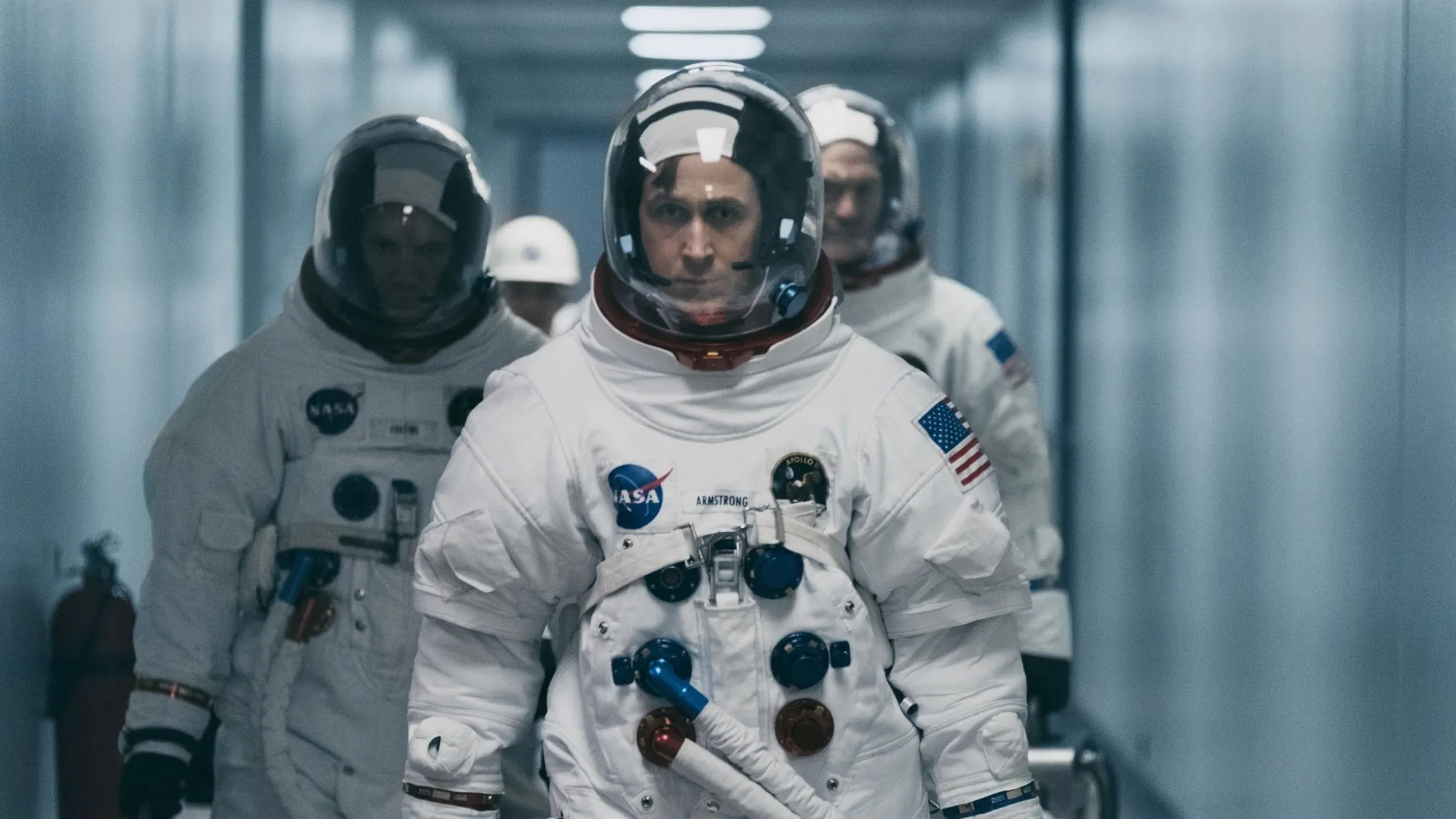
More Than an Interplanetary Journey
Project Hail Mary places humanity on the fragile boundary between knowledge and faith. Ryan Gosling’s character is pushed into a mission that transcends his own limitations, becoming the only hope for human survival.
Plot Overview: A Mission to Save Earth
Project Hail Mary is a science fiction film set on Earth facing the threat of extinction due to an unusually weakening Sun. In its opening week, the film reached number one at the North American box office with $80.5 million in revenue, marking one of the strongest debuts of 2026.
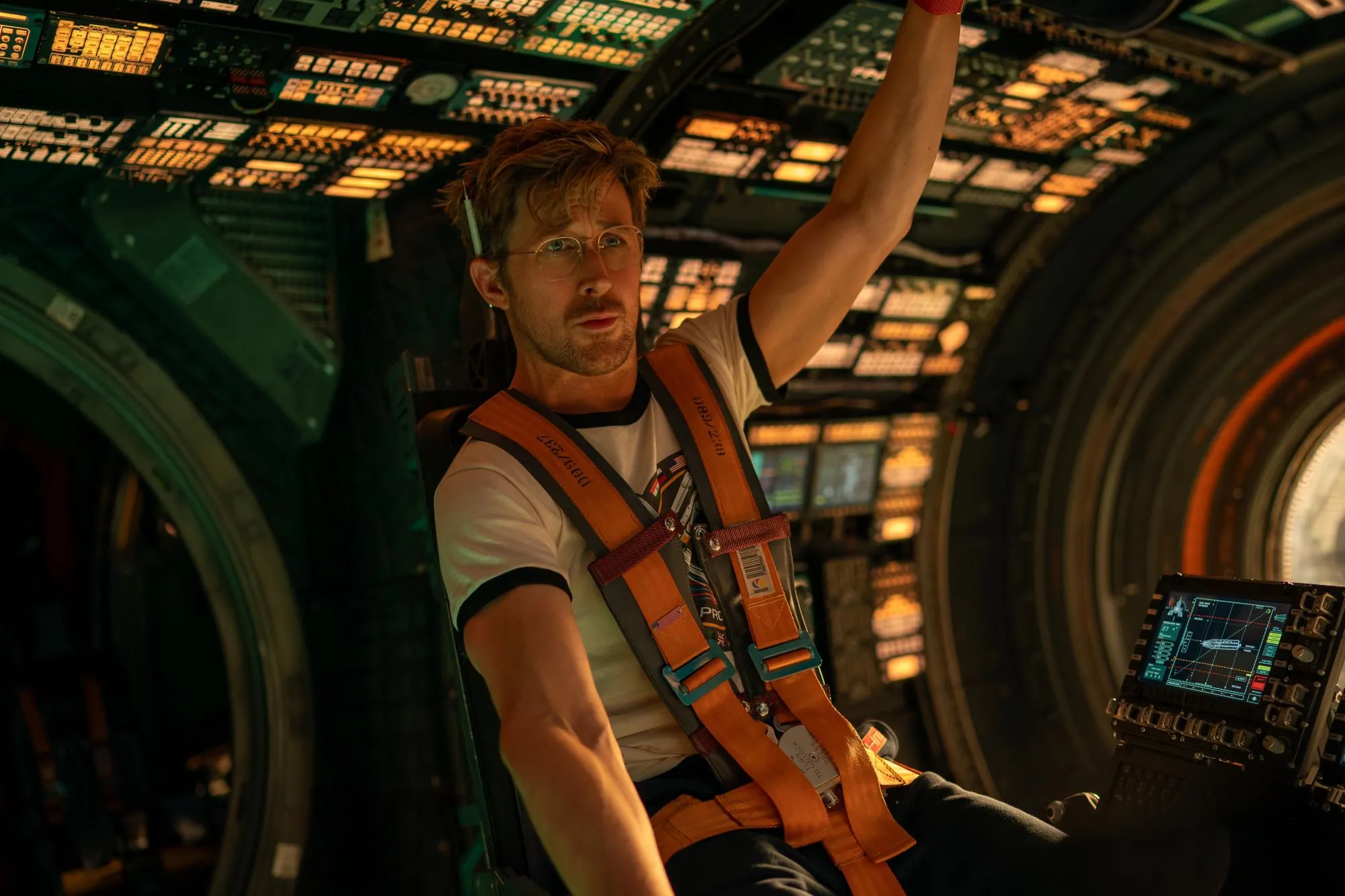
In the film, science teacher Ryland Grace (Ryan Gosling) wakes up on a mysterious spaceship suffering from amnesia. With no memory of who he is or why he is there, he gradually discovers that his two crewmates have died, leaving him as the only person capable of completing a critical mission.
As fragments of memory return, Grace realizes that Earth is threatened by an alien microorganism called Astrophage, capable of absorbing energy from stars and causing the Sun to weaken. The spaceship Hail Mary is launched as humanity’s last desperate attempt, with no backup plan and only fragile hope.
Ryan Gosling’s Performance Carries the Film
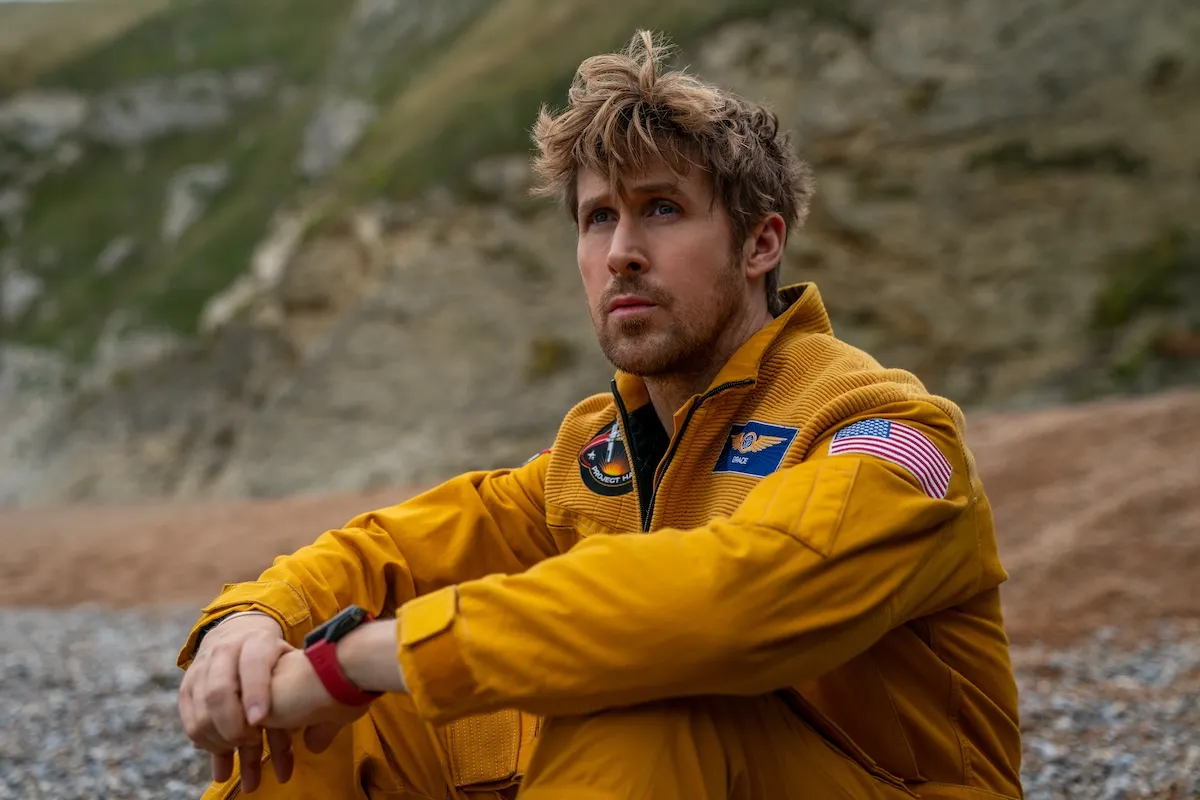
The film’s greatest strength lies in Ryan Gosling’s performance, as he almost single-handedly carries the emotional rhythm of the story. Instead of portraying a typical fearless hero, Gosling presents Ryland Grace as a hesitant, sometimes fragile individual.
The character does not begin his journey with heroic confidence but struggles with uncertainty and fear. This imperfect personality makes the character more relatable, allowing audiences to connect emotionally with his journey.
Rocky: The Emotional Turning Point
The story becomes more compelling when Grace is no longer alone. The arrival of Rocky, an alien with a completely different communication system, becomes a key emotional turning point.
Rocky acts not only as a companion but also as a symbolic mirror that helps Grace rediscover his identity. Their interactions combine humor, curiosity, and emotional depth, transforming the film from a solitary survival story into a meaningful connection between species.
Adapted from Andy Weir’s Bestselling Novel
Based on the novel by Andy Weir, the film maintains the author’s signature strength: presenting complex scientific ideas in an accessible and engaging way. Compared to the original book, the movie reduces heavy theoretical explanations, focusing more on storytelling flow and emotional accessibility.
The non-linear narrative structure, alternating between present events and recovered memories, reflects the character’s internal transformation. Each flashback contributes to shaping Grace’s decisions and reveals his true identity.
Science as a Form of Hope
At a deeper level, Project Hail Mary does not position science and emotion as opposites. Instead, knowledge becomes a form of belief, the only thing humanity can rely on when facing the unknown.
Equations, experiments, and scientific hypotheses become more than technical tools; they represent humanity’s attempt to find meaning and hope in an uncertain universe.
Weaknesses: Pacing and Overextended Climax
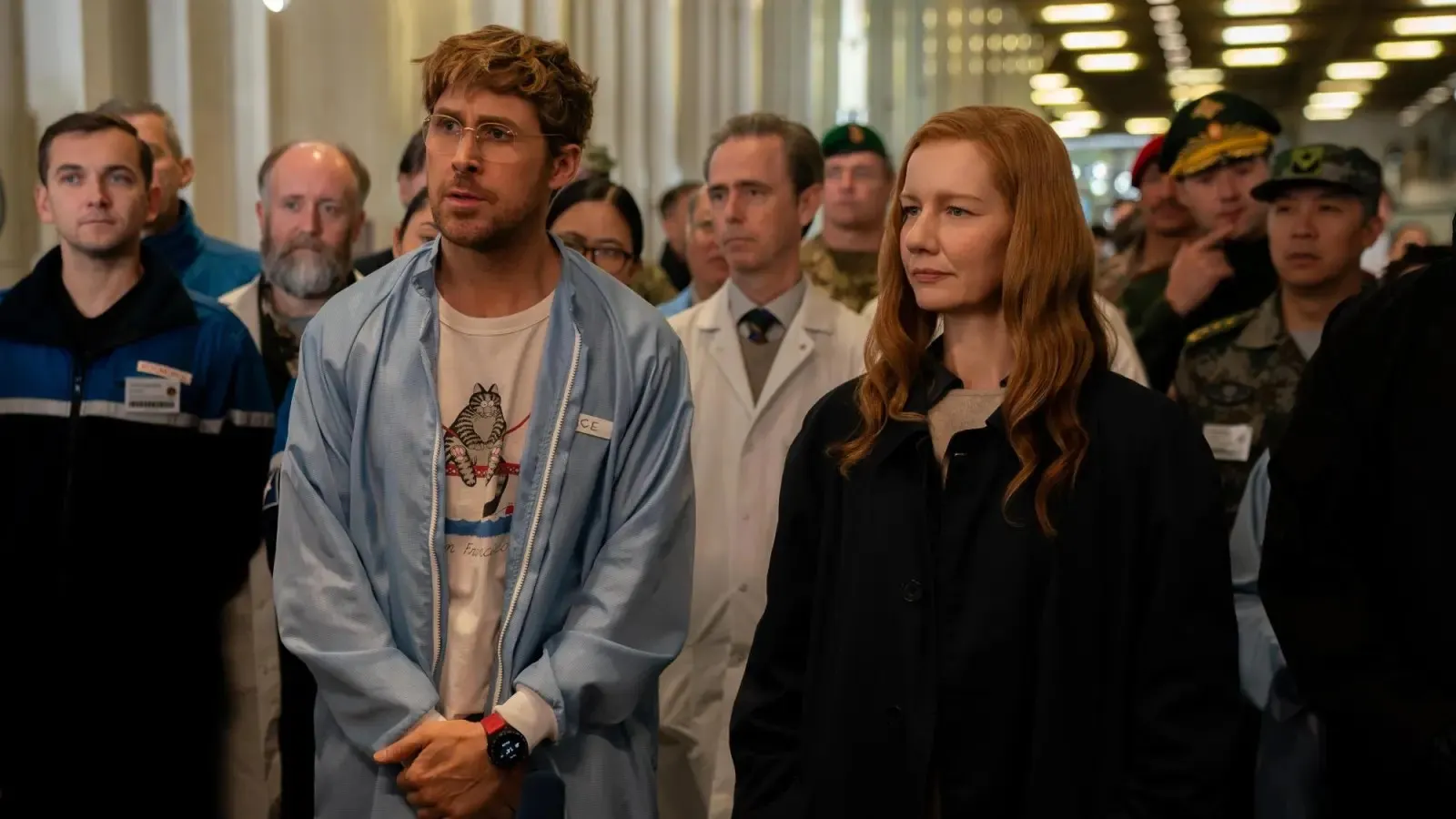
Despite its compelling ideas, the film does not always balance its ambition effectively. Some extended scientific explanations slow the pacing, making certain segments feel overly dense.
The climax sequences occasionally feel overly dramatized, with intense visuals and music guiding audience emotions instead of allowing them to develop naturally.
The ending is also somewhat controversial, as multiple emotional peaks reduce the overall impact. Rather than ending at its most powerful moment, the film continues to explain additional details, slightly weakening its lasting impression.
Final Verdict
Project Hail Mary may not redefine the science fiction genre, but it resonates with a broad audience through its emotionally rich storytelling and optimistic spirit.
Ultimately, the film suggests that saving the world does not always require extraordinary genius or miracles. Sometimes, it begins with an ordinary individual willing to believe, willing to try, and willing to keep moving forward even when no other choice remains. 🚀