
Blog
Review of the film “The Drama”: Is love about understanding or just a performance between strangers?

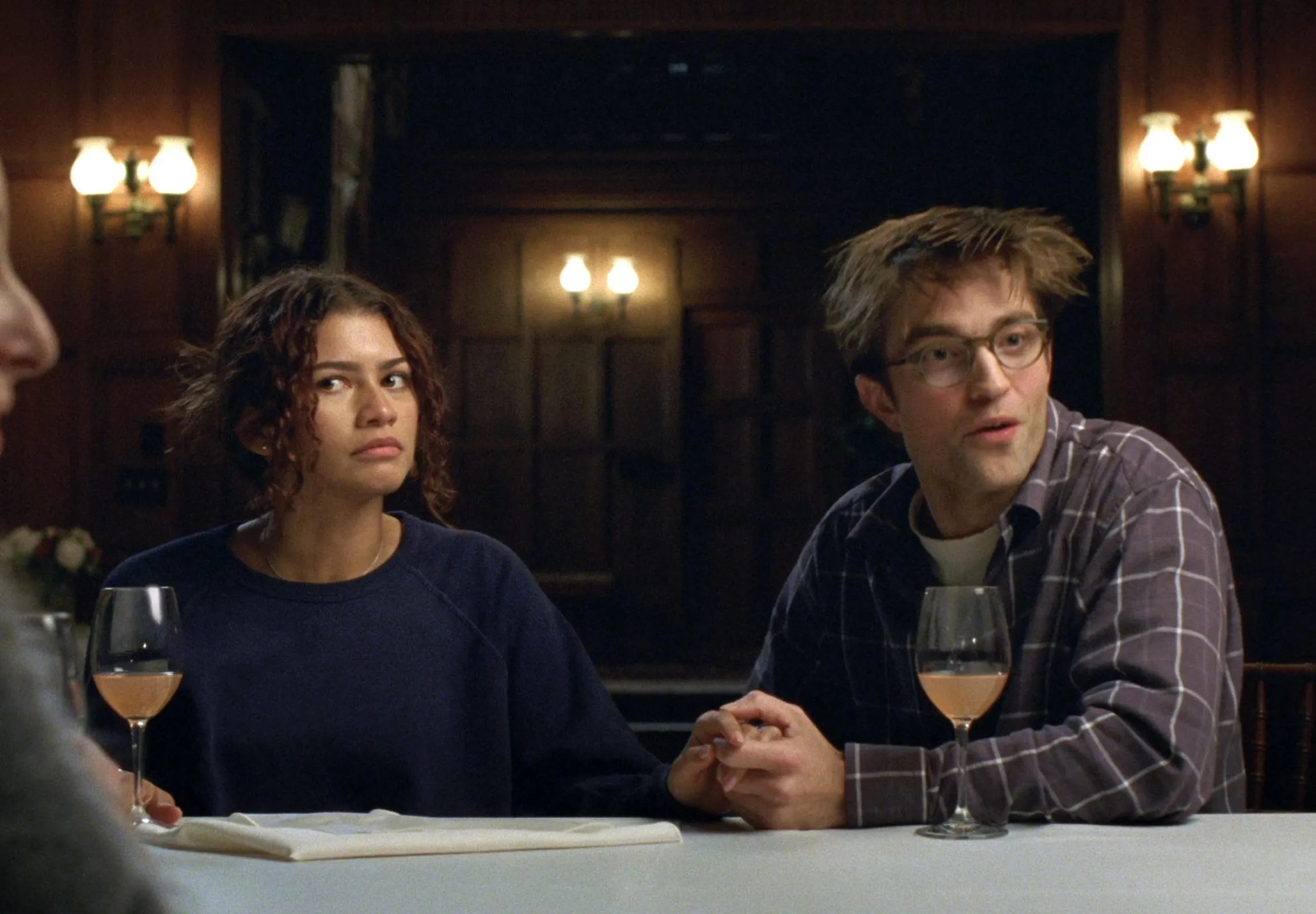
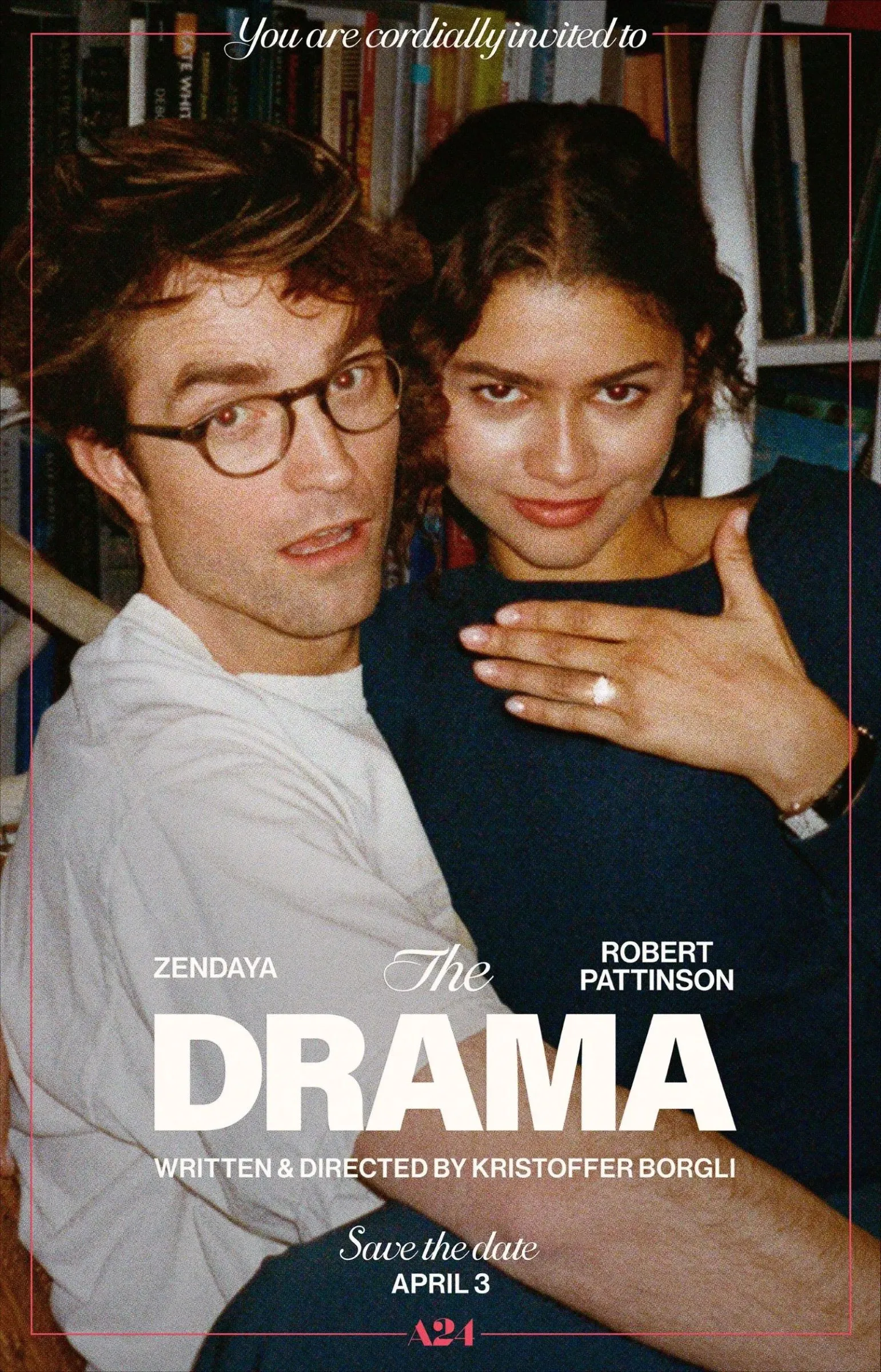
Released in Vietnamese theaters on April 10, 2026, the film “The Drama” (Vietnamese title: The Shock), directed by Kristoffer Borgli, is a dark comedy starring Zendaya and Robert Pattinson. It exposes the characters’ pasts, raising poignant questions about love and marriage.
Charlie and Emma were once the ideal image of a successful and happy couple: Charlie, a dapper but clumsy British museum director, and Emma, a vibrant and radiant bookstore employee. However, their perfect love story crumbles just before their wedding when they discover each other’s dark secrets.
In an unintentional “confession” game with friends, Emma reveals a secret she’s always wanted to hide since her teenage years. This confession not only plunges Charlie into a deep crisis of faith but also exposes society’s prejudices against human mistakes. When the truth is revealed, the line between “partner” and “a stranger” causes them constant reflection on their love.
The film is a journey of the characters confronting hidden truths in their relationship, while simultaneously condemning how society judges a person, raising the question: do we truly understand the person we intend to spend our lives with?
Film Synopsis: A Mismatched Leap Before Marriage
Emma and Charlie are a soon-to-be-married couple. Their first meeting began with a book; after that, they got to know each other and fell in love. For Emma, Charlie was the first person she ever loved, and after two years together, they decided to get married
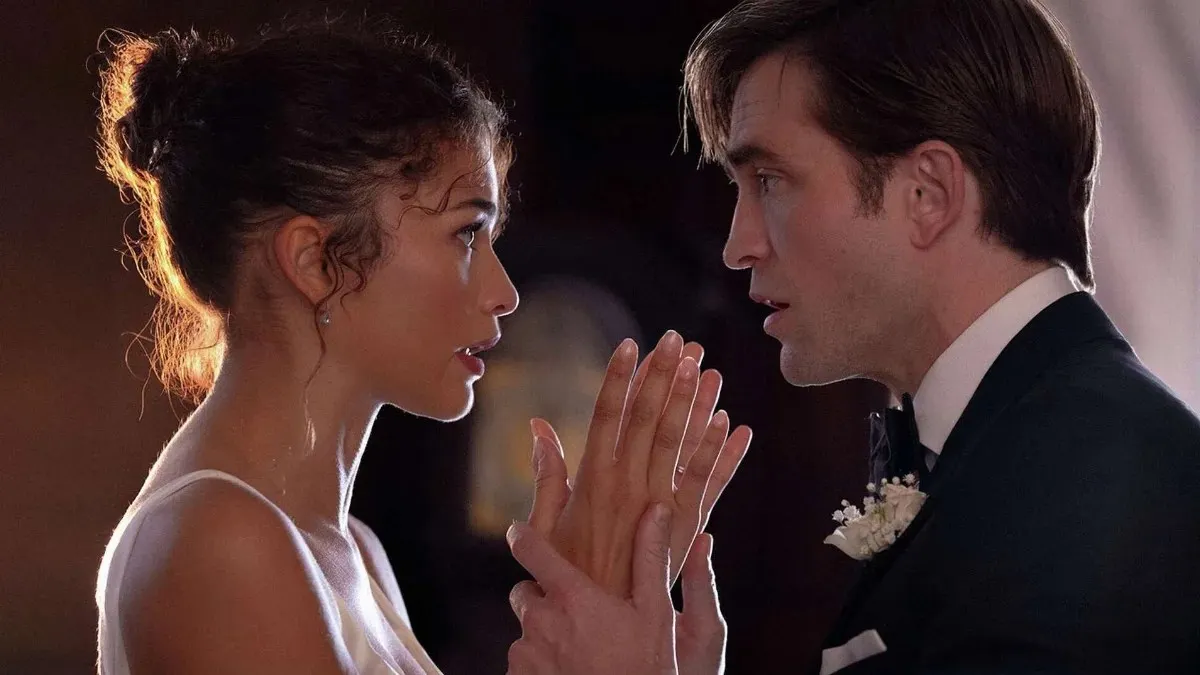
They meticulously prepared for their wedding: writing vows, choosing music, practicing speeches. All of this created the image of a perfect and hopeful love.
However, with only a week left before the wedding, a game revealing secrets at a friends’ gathering caused Charlie to begin doubting Emma’s true character. A confession he never knew made him realize that love isn’t just about accepting the beautiful, but also about confronting the darkest sides of the other person.
Their marriage was thus shaken. A wedding meant to showcase a perfect image became a place to expose buried secrets.
Does society have the right to decide on forgiveness?
The secret was revealed at a gathering with close friends. Initially, everyone easily overlooked each other’s past mistakes, saying, “We were young then.” But when it came to Emma, the reaction was completely different—disgust and judgment appeared immediately.
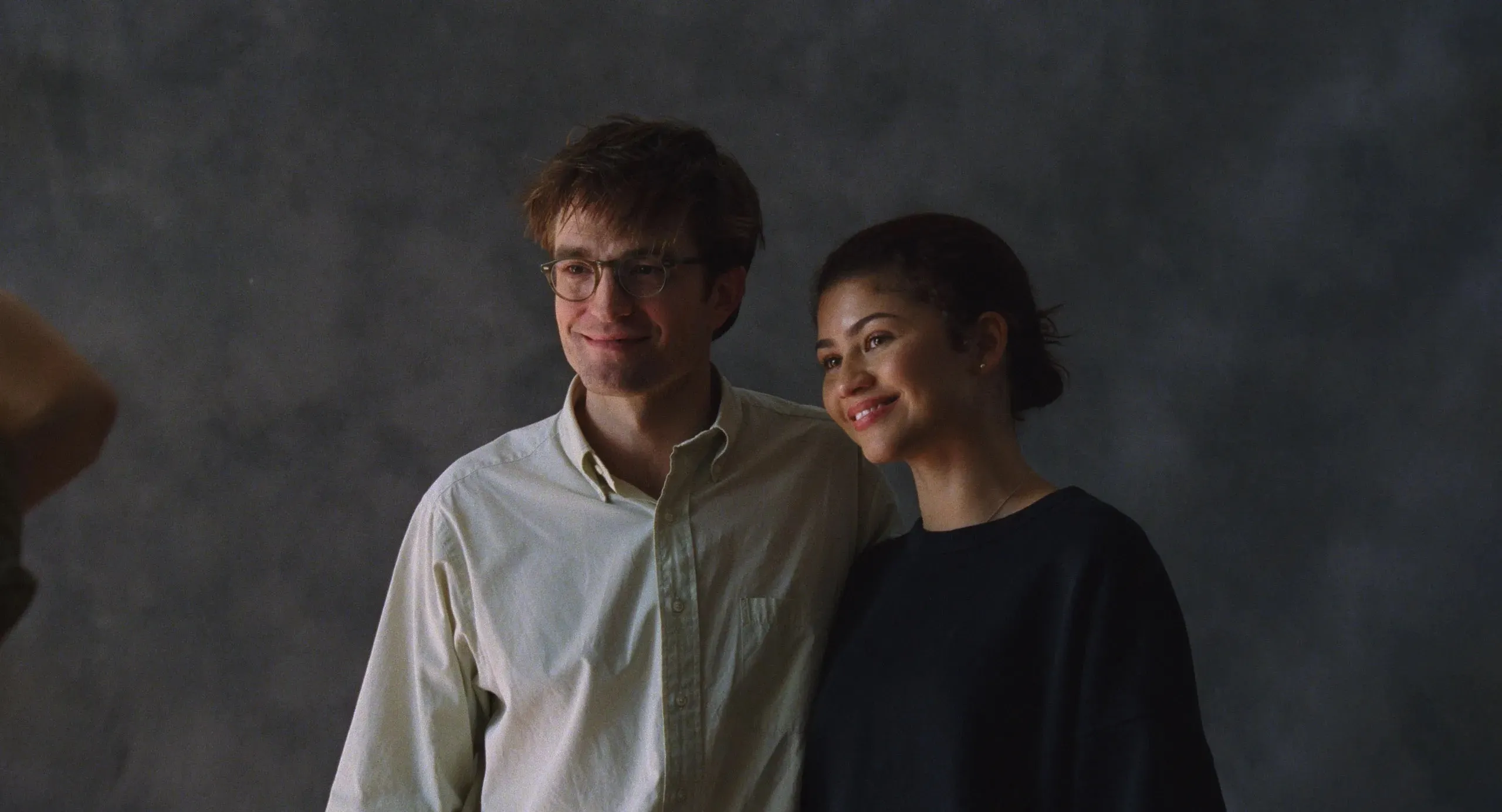
While others may have genuinely done wrong, Emma is judged more harshly, even though her mistake was merely a teenage thought. The film shows how selectively society judges: some mistakes are overlooked, but others are never forgiven.
This event highlights the disconnect between Emma’s present self and her past, causing Charlie to panic. He’s no longer sure he understands the woman he’s about to marry.
In reality, Charlie’s fear doesn’t stem entirely from Emma, but from the image of her created by the prejudices of those around him.
Dark humor and unanswered questions
The film uses dark humor to explore the darker side of human nature and the pressures of modern marriage. The fast pacing creates a sense of tension and prolonged anxiety.
The performances of Zendaya and Robert Pattinson are a highlight. Zendaya portrays Emma’s isolation and trauma after her secret is revealed. Meanwhile, Robert Pattinson depicts a conflicted Charlie: someone who wants to appear progressive but is heavily influenced by societal opinions.
However, the film is still criticized for not deeply exploring social issues like race, focusing more on individual psychology and questions about acceptance in love.
The film’s fragmented structure leaves the story without clear answers. But this is precisely what makes the questions it raises even more haunting.
Can love truly encompass the dark side of a person?
The film ends with a replay of Emma and Charlie’s first meeting in a different setting. Emma doesn’t leave Charlie, and Charlie doesn’t completely leave her either—although he’s still grappling with his doubts.
Emma, who always believed she didn’t deserve to be loved because of her past, begins to learn to accept herself when she is loved. Charlie, meanwhile, faces a choice: to believe in his love or to believe in societal prejudices.
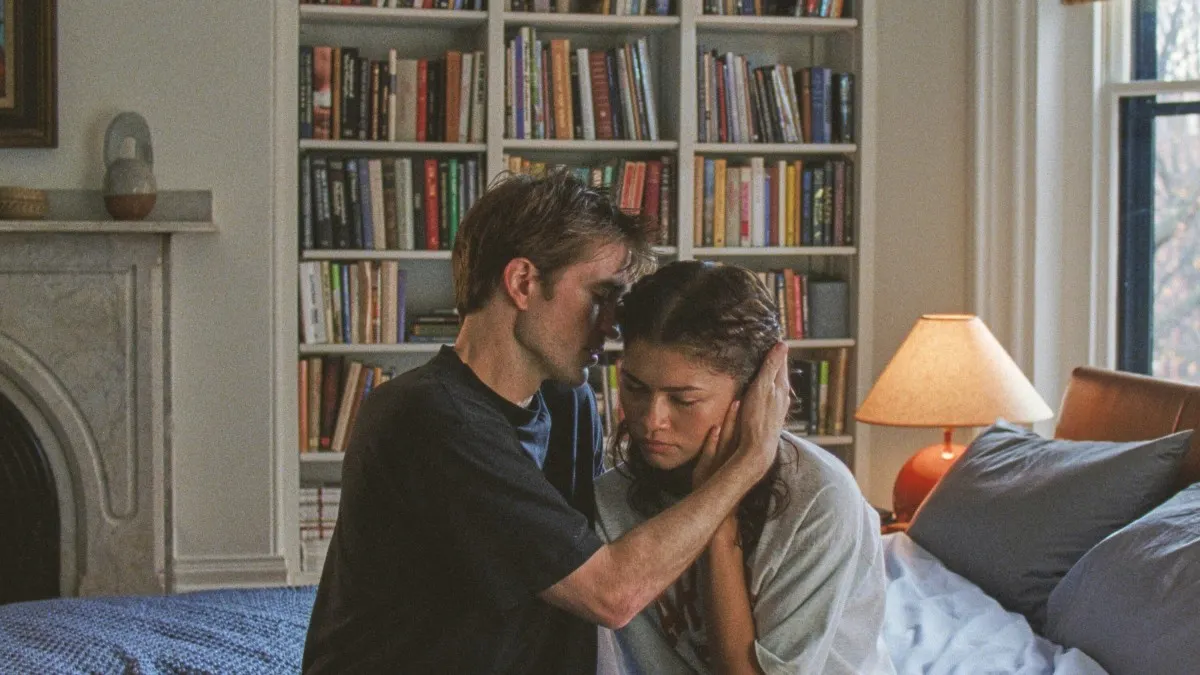
The open ending leaves the viewer with a lingering question:
Can you truly love someone when you know their whole self—including their darkest sides?